Predictive Maintenance Of AC
When you think about your air conditioner, the first thing that probably comes to mind is the cool and refreshing relief it provides on a hot day. But modern AC systems are capable of much more than just regulating temperature. They create a healthier, more productive environment, making them an essential part of our daily lives. A well-regulated indoor climate is crucial for maintaining peak productivity. By maintaining an ideal working temperature, your air conditioner ensures that you stay focused and productive throughout the day. During summer heatwaves, air conditioning is more than just a luxury; it becomes a lifeline. Extreme heat can pose serious health risks, particularly for vulnerable populations such as elders, young children, and those with pre-existing health conditions. By providing essential relief from the heat, air conditioners help to ensure comfort and safety for everyone. Imagine a future where your air conditioner not only keeps you cool but also anticipates its own maintenance needs. This is the promise of predictive maintenance technologies. By integrating sensors and machine learning, modern AC systems can monitor their performance in real-time, detecting potential issues before they become major problems. This proactive approach helps to prevent unexpected breakdowns and costly repairs, ensuring consistent comfort and peace of mind.
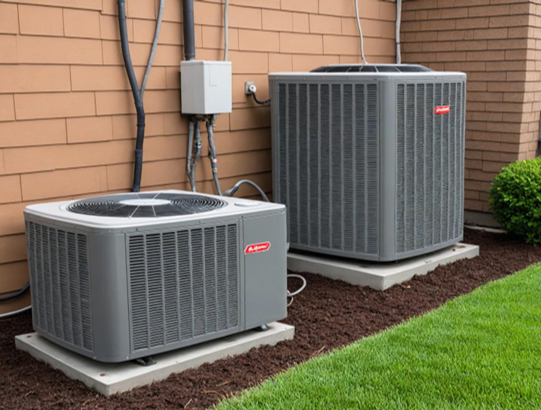
Fig 1: Predictive Maintenance of AC
How Smart Sensors Are Elevating Air Conditioning Monitoring
Smart sensors are revolutionizing air conditioning by ensuring optimal performance and efficiency. These advanced sensors collect and analyze data in real-time, detecting potential issues before they become major problems. By monitoring, various types of sensors and system performance, they help maintain a comfortable environment while reducing energy consumption. With smart sensors, your air conditioner runs smoothly, providing consistent comfort and peace of mind.
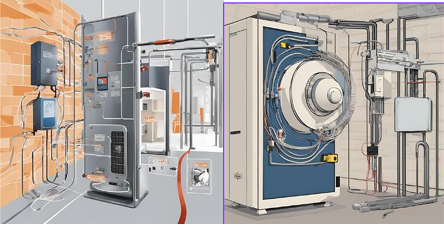
Fig 2: Continuously monitoring and maintaining AC data.
Common AC Issues Easily Diagnosed by Sensors:
| Problems | Impact | Detection Way |
| Leakage | No cooling or ice forming in the pipe |
Unusual compressor sound or overheating |
| Compressor Capacitor Fault |
Compressor shuts off | Lack of vibration |
| Overload Problem | Compressor shuts off | Reduced or no vibration |
| Circuit Problem | AC shuts off | Normal evaporation, but no vibration |
| Dust in Filter | Reduced Cooling efficiency | Reduced indoor fan speed and extremely cool suction pipe |
| Outdoor Fan Problem | Outdoor fan stops working | Compressor overheating |
| Gas leakage | Temperature rise, no cooling | Normal gas temperature, but rising gas temperatures |
| Compressor Fault | Bad Sound or Over Current | Lack of vibration, overheating, or water dripping |
A Discussion of Air Conditioning Problems, Their Impact, and Prevention Methods:
Let’s explore some common problems with air conditioners, their real-life impacts, and how we can monitor and prevent these issues.
Dirty Air Filters
● Problem: Air filters can get clogged with dust and particles, turning them into dirty,
inefficient filters. This nasty build-up restricts airflow and can make your AC struggle to keep you cool. Imagine a hot summer day with an AC that just can’t keep up!
● Cause: Dust and debris love to stick to your filter, creating a stubborn blockage. This blockage chokes your airflow, making your AC work overtime. The added pressure can even cause leaks, turning a small problem into a big headache.
● Impact: A dirty filter means your AC loses its cooling superpowers, making your home less comfortable. Regular checks and maintenance can keep this villain at bay.
● Sensor Use: While there’s no specific sensor for this, routine maintenance can be your AC’s best friend. Keep your cool and ensure peak performance with regular filter checks!
Clogged Drain
● Problem: Water produced by the AC can’t drain properly, causing a messy situation. This improper drainage leads to water backing up in your system. It’s a problem that can turn your cool sanctuary into a soggy mess.
● Cause: Algae and mold love to grow in dark, damp places like your AC’s drain line. These unwelcome guests block the drain, preventing water from flowing out. This blockage means trouble for your system.
● Impact: Water backs up, causing leaks and potentially damaging your home. Regular maintenance can prevent this, but a Water Leak Sensor adds an extra layer of protection.
● Sensor Use: Place a Water Leak Sensor near the drain pan to detect and alert you to water accumulation. This helps you catch problems early and keep your home dry and damage-free.
Refrigerant Leakage
● Problem: Refrigerant leakage spells trouble as the cooling magic escapes from your AC system, leaving your comfort in jeopardy.
● Cause: When coils or connections suffer physical damage, they can release this vital coolant into the air, disrupting your AC’s efficiency.
● Impact: Reduced cooling capacity means your AC struggles to keep your space cool, leading to higher bills and discomfort in sweltering weather.
● Sensor Use: Safeguard your comfort with a Refrigerant Leak Detector placed strategically near refrigerant lines. It provides constant vigilance to swiftly detect and prevent leaks, ensuring your AC runs smoothly and efficiently.
Water Damage
● Problem: If you spot water stains or mold near your AC unit, it could indicate a serious issue.
● Cause: Leaks from your AC system can lead to water backing up and overflowing, causing damage over time.
● Impact: This water damage can harm your walls, ceilings, and floors, potentially requiring costly repairs.
● Sensor Use: Protect your home with a Water Leak Sensor that notifies you early of any water accumulation, helping you prevent significant damage and maintain a safe
environment.
Overheating
● Problem: If your AC runs too hot, it’s more than just a temperature issue.
● Cause: Lack of ventilation or dirt buildup can choke airflow, causing temperatures to soar inside your unit.
● Impact: This heat can degrade the capacitor’s insulation, potentially leading to costly breakdowns.
● Sensor Use: Keep your cool with a Temperature Sensor. It detects overheating early,
ensuring your AC stays reliable and efficient.
Physical Damage
● Physical Damage: Discovering damage to refrigerant lines in your AC system can be a major concern.
● Cause: Whether from accidents or the elements, such as severe weather, external forces can lead to these damaging incidents.
● Impact: Leaks from damaged lines can pose risks to both the environment and your
health, making prompt repair essential.
● Sensor Use: Utilize a Pressure Sensor to monitor pressure levels and detect potential leaks early. It’s a proactive measure to safeguard your AC system and maintain peace of mind.
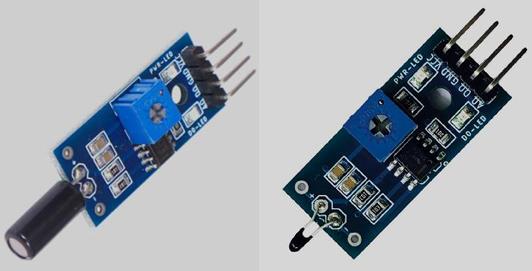
Fig 3: Vibration and Temperature Sensor Module